September 9, 2026
Hard water is a pervasive issue in millions of households, quietly degrading plumbing infrastructure, shortening appliance lifespans, and driving up utility bills. High concentrations of dissolved minerals—primarily calcium and magnesium—leave behind stubborn limescale, reduce soap effectiveness, and cause dry skin and hair. Investing in an effective water treatment system eliminates these costly hassles, protecting your home's infrastructure while improving daily living comfort.
Understanding the Impact of Hard Water
Water softeners are essential for combating hard water, which is prevalent in many homes. Hard water contains high levels of minerals, such as calcium and magnesium, which can cause various problems, from scaling in pipes to ineffective soap performance. Hard deposits can damage appliances and plumbing, leading to costly repairs and replacements. This article explores the different types of water softeners available and the key advantages each type offers, helping homeowners make informed choices. By understanding these options, individuals can better protect their homes and improve water quality, which is crucial for many households.
Hard water is not only a nuisance but also has significant implications for plumbing and appliances. The buildup of limescale can significantly reduce the lifespan of hot water heaters, washing machines, and dishwashers. Additionally, hard water can leave spots on dishes, reduce the effectiveness of soaps and detergents, and leave skin feeling dry and rough. The impact of hard water can be wide-ranging, affecting personal hygiene, clothing condition, and even the taste of tap water. It's essential to address these issues to maintain a comfortable and efficient household.
Water softeners have become increasingly popular as they offer a practical solution to hard water problems. According to Fortunebusinessinsights.com, the U.S. water softening systems market size was valued at USD 716.3 million in 2024, highlighting the high demand and reliance on these systems. Choosing the right water softener can significantly reduce household maintenance and improve quality of life. The following sections will delve into different types of water softeners, each with unique benefits, to help homeowners make the best selection for their needs. With a comprehensive understanding, consumers can ensure they have access to soft, efficient water with minimal hassle.
Ion Exchange Water Softeners
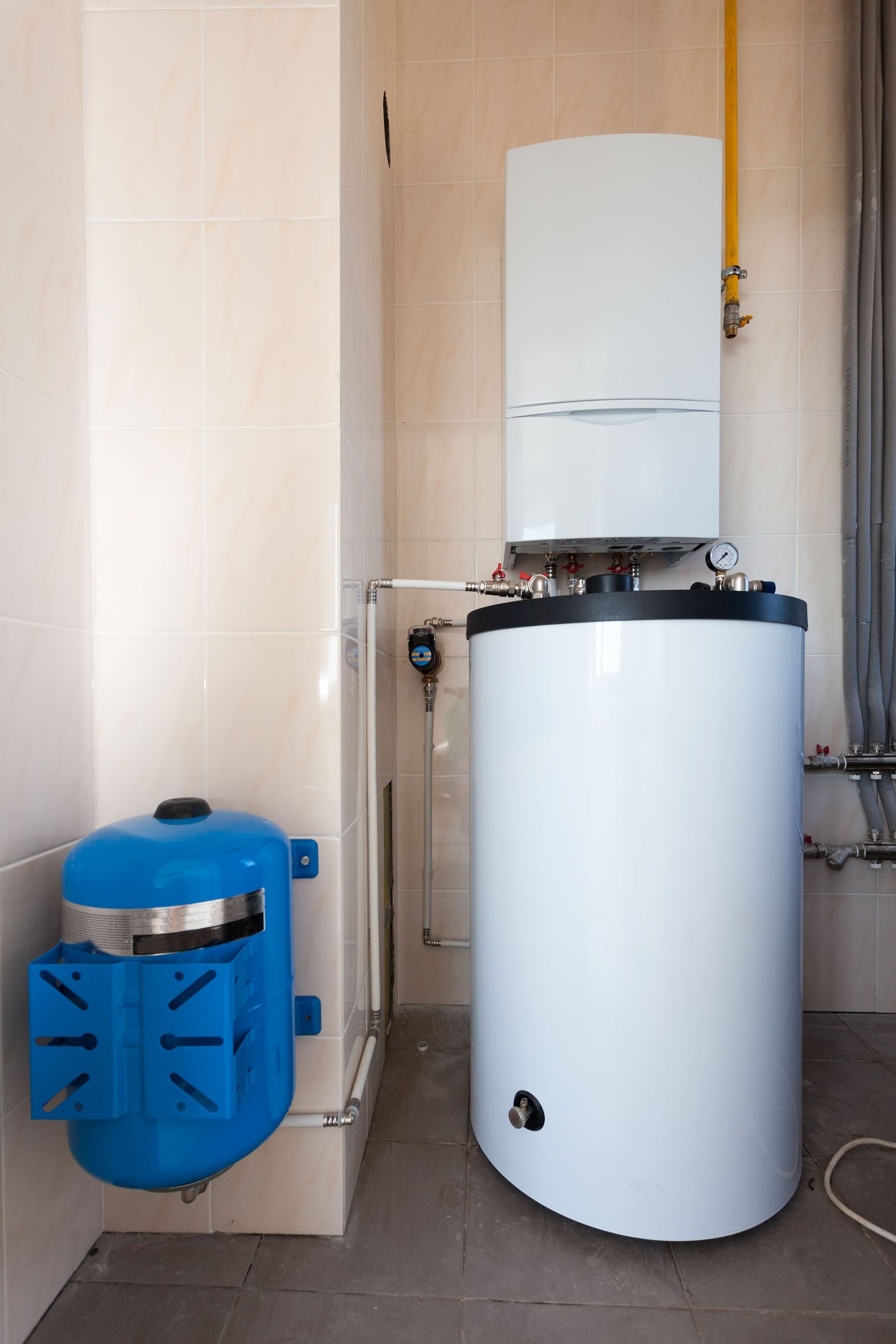
Ion exchange water softeners are among the most common and effective systems available today. They function by exchanging calcium and magnesium ions in the water with sodium ions, thus eliminating these minerals that contribute to hardness. The process takes place in a resin tank filled with tiny beads, which carry a sodium charge. As hard water flows through this resin bed, the unwanted ions are captured, and softer water is released. This method is highly efficient, ensuring that the home receives water with significantly reduced hardness levels. Automated controls manage the regeneration cycle seamlessly, ensuring minimal interruption to water service. Homeowners can enjoy consistently soft water without having to intervene manually, making ion exchange water softeners highly convenient and reliable.
Ion exchange water softeners are exceptionally thorough in removing minerals from water, which is one of the main reasons for their popularity. By targeting and eliminating calcium and magnesium, they significantly reduce the likelihood of limescale formation in plumbing and on fixtures. This elimination greatly benefits the entire household, including the health of appliances and personal hygiene. Homeowners can feel the difference with softened water; skin and hair are left feeling softer, and clothes are noticeably cleaner and brighter. This enhanced water quality is achievable through the efficient operation of ion exchange systems, which perform admirably across various incoming water conditions.
The long-term cost benefits associated with ion exchange water softeners are significant for cost-conscious families. While the initial investment may seem hefty, the savings accrued over time due to reduced appliance repairs and increased appliance longevity offset the initial expense. Additionally, decreased detergent and soap usage lower grocery bills, further making this a financially-sound decision for many households. The system's efficiency ensures every drop of water is soft, meaning less strain on surfaces and plumbing. Many systems are also designed with energy efficiency in mind, lowering utility bills over time and proving to be a wise investment.
Installing an ion exchange water softener is a relatively straightforward process, although professional installation is often recommended for optimal results. Proper installation ensures the system operates effectively and integrates seamlessly with existing plumbing. Maintenance for ion exchange water softeners primarily involves the periodic replenishment of salt used in the regeneration process. Depending on the hardness level of your water and household consumption, salt replenishment may be needed every few weeks or months. Overall, ion exchange water softeners require less complex maintenance compared to other water treatment technologies, blending ease of use with top-tier performance.
While the regeneration process produces some wastewater, the environmental benefits of ion exchange systems remain considerable. By reducing scale buildup on plumbing fixtures and water heaters, these systems extend the useful life of household appliances and decrease home energy consumption. Lower detergent usage also reduces chemical discharge into local water systems, helping aquatic environments. Recent advancements in ion exchange technology continue to introduce eco-friendly designs that use less salt and water during regeneration. Modern water softeners combine traditional effectiveness with sustainable innovations, offering homeowners a high-performing and responsible solution to hard water.
Salt-Free Water Softeners
Salt-free water softeners, often referred to as descalers or conditioners, are a popular alternative to traditional ion exchange systems. These devices employ a physical process that prevents scale-forming minerals from adhering to surfaces rather than removing them from the supply. Commonly, these systems use template-assisted crystallization to alter the atomic structure of calcium and magnesium. This change transforms minerals into micro-crystals that float harmlessly through pipes without clinging to fixtures. Salt-free water softeners operate without electricity or wastewater discharge, making them a sleek, eco-friendly option for modern homes.
One of the salient advantages of salt-free water softeners lies in their promotion of health-conscious water treatment. Unlike ion exchange systems that introduce low levels of sodium into the supply, salt-free models add no chemicals whatsoever. This characteristic is particularly beneficial for individuals on low-sodium diets or those managing health conditions like hypertension. Furthermore, salt-free water softeners retain essential dietary minerals like calcium and magnesium in the drinking water, allowing homeowners to enjoy natural mineral hydration without suffering the destructive consequences of internal pipe scaling.
Minimizing maintenance is a major selling point for salt-free conditioners, making them the preferred choice for busy households. Because they do not use salt, homeowners never have to buy, haul, or load heavy salt bags into a brine tank. The absence of moving mechanical valves and backwash cycles significantly lowers the risk of operational breakdown, eliminating expensive repair calls. For individuals seeking a hands-off, set-and-forget solution, salt-free water softeners provide effortless scale management without requiring constant monitoring or recurring mechanical adjustments.
The overall cost of ownership for salt-free conditioning systems is remarkably low. Beyond the initial equipment purchase, there are no ongoing costs for salt bags, extra electricity, or increased water utility bills from backwashing. This sustained financial savings makes salt-free systems an attractive long-term investment for budget-conscious property owners. The installation process is also simpler and less expensive, as no drain line or electrical outlet is required near the system. Over the lifespan of the equipment, salt-free water softeners deliver exceptional value through minimal upkeep and zero operational waste.
Selecting the right water softener is a crucial decision that protects your home’s plumbing, extends appliance lifespans, and elevates daily living comfort. Whether you choose a traditional ion exchange system for maximum mineral removal, a salt-free conditioner for low-maintenance scale prevention, a dual-tank model for continuous high-capacity demand, or specialized options like electronic descalers and reverse osmosis systems, investing in quality water treatment pays long-term dividends. Upgrading your water quality eliminates stubborn limescale, reduces soap usage, and preserves your physical property. When you are ready to eliminate hard water problems and install high-performance water softeners tailored to your home, trust the experienced team at Beeco Softwater to deliver expert service and crystal-clear results.