February 10, 2026
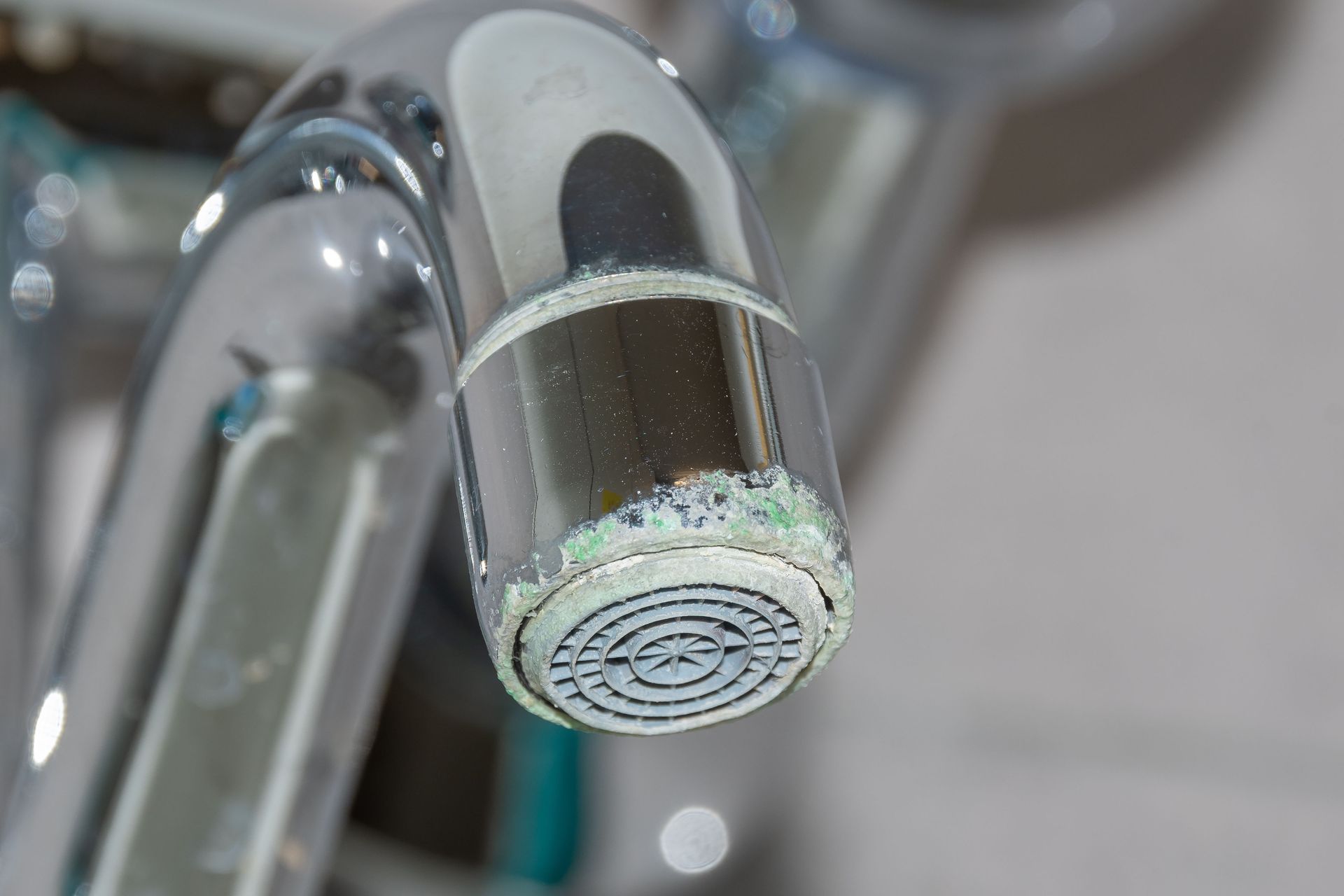
If you’ve noticed mineral buildup on your faucets, cloudy glasses, or soap that never seems to rinse clean, you might be dealing with hard water. Hard water is a common issue for homeowners in Englewood, and it can cause more than just minor annoyances. At Beeco Softwater, we talk with homeowners all the time who know something isn’t right with their water but aren’t sure which solution will actually help.
Two of the most common terms people hear are water conditioning and water softening. Even though people often use them as if they mean the same thing, they’re very different ways of treating hard water. Knowing how each system works, what problems it solves, and what results you can expect makes it easier to pick the right solution for your home.
How Hard Water Affects Your Home and Wallet
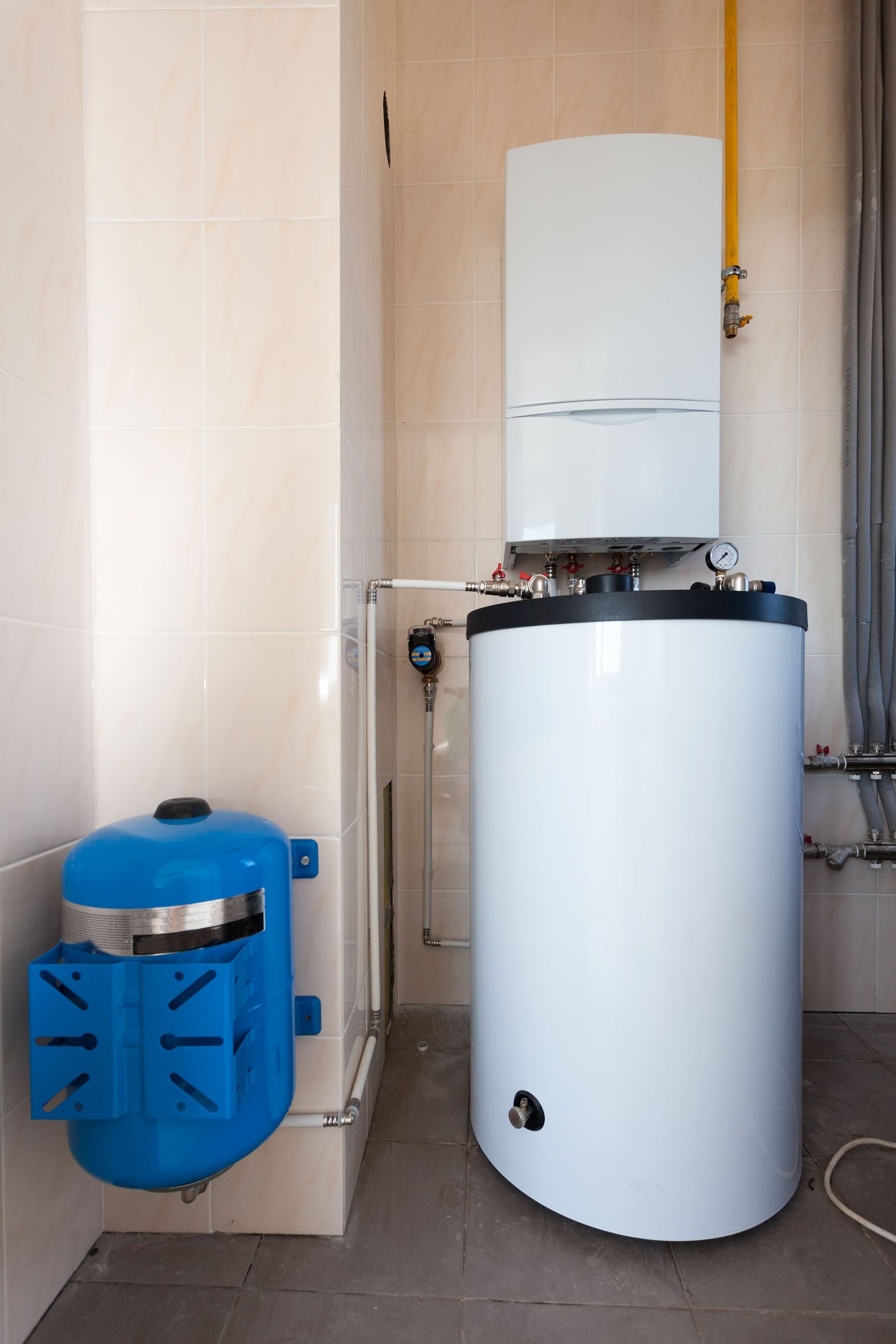
Hard water contains minerals like calcium and magnesium that enter the water as it flows through soil and rock. While hard water isn’t usually unsafe to drink, it can create all sorts of problems in your home. Over time, these minerals build up inside pipes, water heaters, and appliances. Hard water can even double the energy your water heater uses, raising overall energy spending by 20 to 30%, according to reports from Market Research Future.
Unfortunately, however, the problems don’t stop there. Hard water can also make skin feel dry, hair dull, laundry stiff, and leave soap residue behind on sinks, tubs, and dishes. These problems usually get worse over time, which is why taking steps to treat your water early can protect both your home and your wallet.
What a Water Softener Does for Your Home
Water softening is the most well-known way to deal with hard water. A soft water system removes calcium and magnesium from your water before it reaches your taps, preventing scale from forming inside your plumbing and appliances.
Soft water systems use a process called ion exchange. Hard water flows through the system, which traps the hardness minerals and swaps them with sodium. The system regenerates periodically by flushing out the captured minerals using salt, which keeps it working effectively.
At Beeco Softwater, we make sure your soft water system is properly sized for your household’s water usage and hardness levels. Getting the right size and having it professionally installed means your system works efficiently and consistently for years to come.
How Soft Water Improves Daily Life
Softened water makes a difference you’ll notice in many ways around the house. Soap and detergents work better, which means you use less product and get better results. Dishes come out cleaner, laundry feels softer, and it’s easier to keep sinks, tubs, and faucets looking their best.
Soft water also helps appliances last longer. When water heaters, washing machines, and dishwashers aren’t fighting mineral deposits, they run more efficiently and are less likely to break down early. Over time, this can save you money on repairs and energy bills.
Many homeowners also notice personal comfort improvements. Skin feels less dry, hair is easier to manage, and bathing is more pleasant. For homes with moderate to high levels of hardness, these benefits can be noticed almost immediately after installation.
How Water Conditioning Works Differently
Water conditioning takes a different approach. Instead of removing the hardness minerals, it changes how they behave in your water. The minerals stay in the water, but they’re less likely to stick to pipes, appliances, and fixtures.
The water conditioners we offer at Beeco Softwater are salt-free and chem-free. They work by altering the structure of the hardness minerals, so scale is much less likely to form. Because there’s no ion exchange process, these systems don’t require salt or regular regeneration cycles.
This approach is great for homeowners who want to protect their plumbing and appliances from scale without ongoing maintenance. It’s important to remember, though, that conditioned water doesn’t feel the same as softened water and won’t give the same soap lathering or rinsing improvements.
What You’ll Notice With a Water Conditioning System
The main benefit of water conditioning is scale reduction rather than complete hardness removal. Pipes, water heaters, and appliances are better protected from buildup, which helps keep them running efficiently and reduces wear over time. This can be especially helpful for water heaters and other equipment that rely on consistent heat transfer.
Because conditioned water keeps its natural minerals, it behaves more like untreated water when you bathe or wash dishes. You won’t notice the same soft water feel, but your home and appliances will benefit from less scale and easier maintenance. For people who want a low-maintenance, salt-free system, water conditioning can be a practical solution.
Water Softening vs. Water Conditioning: How They Compare
The biggest difference between these two approaches is how they handle minerals. Softening removes calcium and magnesium completely, while conditioning keeps them in the water but changes how they act. That difference affects maintenance, performance, and what you’ll notice in your home.
Maintenance is another key factor. Soft water systems need regular salt replenishment and periodic regeneration, whereas water conditioning systems usually need very little attention once installed. Results are also different. Softened water improves cleaning efficiency, comfort, and scale prevention throughout the home. Conditioned water mainly reduces scale and protects appliances without changing how your water feels day to day.
Picking the Right System for Your Home
The best solution depends on your water quality and what you want to get out of it. Homes with higher hardness levels or visible scale problems usually benefit most from a traditional soft water system. These systems provide the most complete protection and the full benefits of soft water.
Water conditioning might be better if you want a salt-free system and are mainly focused on reducing scale. It’s also ideal if you want something that requires minimal maintenance. Knowing your priorities helps make sure you choose the system that’s right for your home.
At Beeco Softwater, we start by evaluating your water and talking with you about what’s most important. We focus on recommending the right solution for your home rather than the one that’s most popular or easiest to sell.
Other Water Treatment Services We Offer
Hardness isn’t the only concern we handle. Beeco Softwater offers a full range of water treatment services to improve water performance, appearance, and taste. Every system is selected based on your specific water quality needs.
Our chem-free iron filters are perfect for homes dealing with rust stains, discoloration, or metallic taste. These systems remove iron without harsh chemicals, helping protect fixtures and improve water clarity. Iron filtration also prevents staining on sinks, tubs, and laundry.
We also provide water conditioners and filters that reduce sediment, taste, and odor problems. These systems can be installed alone or combined with other treatments for comprehensive protection. For clean, great-tasting drinking water, our point-of-use drinking water systems provide filtered water right at your tap.
Salt-free water conditioners are another option for homeowners who want to reduce scale without using salt. These systems are designed to perform well while keeping maintenance simple and convenient.
Each system addresses hard water differently, and the choice depends on your water quality and your priorities. Taking the time to choose correctly helps protect your plumbing, appliances, and everyday comfort for years to come.
Are you ready to improve your water quality? Our team at Beeco Softwater is ready to provide service, support, and results you can rely on. Contact us today to learn more!